

Your Guide to Compassionate Drug Withdrawal Management Options
Non-physical symptoms, like cravings and desire for the comfort alcohol provides, may become more noticeable as the distraction of physical symptoms subsides. The peak of withdrawal often occurs after about Drug rehabilitation 48–72 hours after your last drink. At this point, all symptoms that are going to happen will be present and will be at their worst.
Tips for Preventing Alcohol-Related Seizures
When you suddenly stop drinking, your brain finds itself in a hyperexcitable state without alcohol’s dampening effect. This imbalance causes the physical and psychological symptoms of withdrawal. Your brain essentially needs time to recalibrate and learn to function normally without alcohol.
Ongoing recovery (weeks to years)
Many centers describe this as 24/7 medical detox or detox with medical monitoring. Not every person needs intensive medical intervention at every moment. Some individuals benefit from a structured, supportive setting with lighter medical involvement.
Alcohol misuse and https://zonasports.es/galmed-pharmaceuticals-ltd-glmd-shareholders-2/ withdrawal also increase the risk of falls, head trauma, and reduced oxygen to the brain during a seizure, all of which can cause permanent damage. Alcohol-related seizures can cause brain damage, but the harm usually comes from the complications surrounding the seizure rather than the seizure itself. Severe or repeated seizures, especially those lasting more than five minutes, a condition known as status epilepticus, can lead to lasting, irreversible brain injury. Yes, alcohol can cause non-epileptic seizures, especially in people who drink heavily or suddenly stop after chronic use.
Can Alcohol Poisoning Cause Seizures?
It is also advisable to have an emergency medical plan in place should serious symptoms occur. Both family medicine and addiction medicine guidelines now recommend offering FDA-approved medications as part of routine care for alcohol use disorder. One of the most effective is naltrexone, which reduces cravings and makes alcohol less rewarding. For people with milder symptoms, medications like carbamazepine or gabapentin may be used.
- Likewise, if alcohol is your main substance, a dedicated supervised alcohol withdrawal program is the safest setting to manage the medical risks specific to alcohol.
- They can also provide guidance on your role and any necessary precautions to ensure a safe and effective detox.
- The most effective recovery plans connect medical detox directly to continuing care.
- These symptoms are common and temporary—but they’re also a strong reason why detox should happen under medical supervision.
- Alcohol dependence often stems from underlying issues, such as mental health struggles or other factors that contribute to alcohol use.
A medical professional can evaluate your risk for severe withdrawal and provide guidance on how to proceed safely. They may also recommend a supervised detox program if the risk of complications is high. Always prioritize safety and remember that seeking help is a sign of strength, not weakness. Attempting to manage these symptoms at home can be extremely risky.
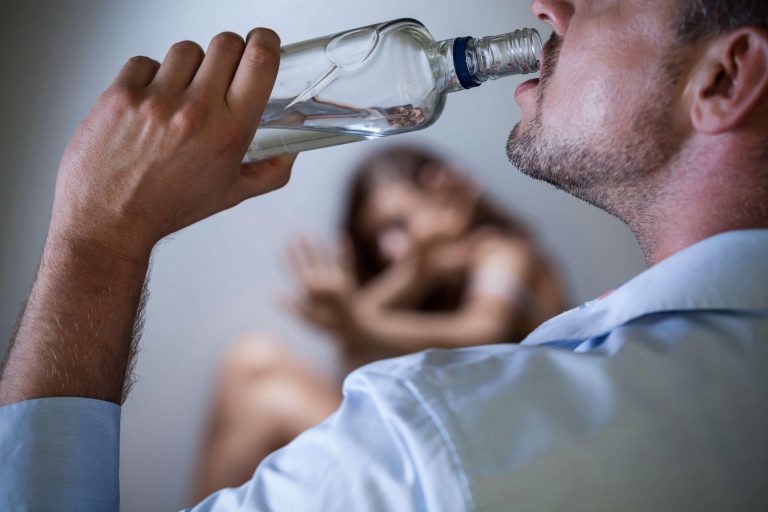
Your drug withdrawal management plan in Utah will be shaped by what you use, how much, and how long you have been using it. Different substances create different patterns of withdrawal and require different medical strategies. Yes, alcohol poisoning can cause seizures, and when it does, it’s a sign of a life-threatening emergency. Consuming a large amount of alcohol in a short period overwhelms the brain and body, disrupting normal brain activity and creating dangerous chemical imbalances. This can lead to grand mal seizures, along with other severe symptoms like confusion, vomiting, slow breathing, and loss of consciousness. A private detox program is not only about medications and monitoring.
- In general, going through withdrawal at home should be avoided unless your doctor recommends it.
- Mild withdrawal symptoms can be managed with hydration, rest and a quiet environment.
- Medication assisted detox uses FDA approved medications alongside counseling to reduce withdrawal symptoms and lower the risk of relapse, especially in opioid and alcohol dependence 5.
Alcohol can cause some of the most dangerous withdrawal symptoms of any substance and can be fatal in some cases. For this reason, withdrawing from alcohol at home is highly discouraged for anyone who could experience moderate to severe withdrawal symptoms. Alcohol withdrawal can be fatal, especially when people with severe withdrawal go untreated. Those who develop delirium tremens are particularly at risk, with a fatality rate of 37% if it is not treated. Delirium tremens is still dangerous with treatment; however, the risk of death decreases to less than 5% with high-quality medical care.
- When you stop drinking, it can feel like entering a whole new world and like a fog that you didn’t even know was there has suddenly lifted.
- However, once you complete the detox stage, you can continue to other stages of recovery.
- Team Recovery’s alcohol detox program in Toledo is built for this very moment.
- For moderate withdrawal symptoms, benzodiazepines are the first-line treatment because they’re the most effective at preventing serious complications.
- Accurate, complete profiles best connect you with the right people for your services.
If you or someone you know is struggling with alcohol addiction, don’t alcohol detox at home hesitate to reach out for help. There are resources available to support you on your journey to recovery. Detoxing from alcohol at home is not a one-size-fits-all solution. It’s important to consider the risks and benefits carefully and seek professional guidance if you’re unsure.

The full start to finish detox process
Rehab programs after detox vary in length depending on individual needs, goals, and progress. Some individuals participate for several weeks, while others continue for months or longer. Programs typically emphasize flexibility and ongoing assessment rather than predetermined timelines to support sustained engagement and consistent participation through long-term rehab. Rehab environments vary in intensity and format, but they share a focus on consistency and engagement. Rather than addressing symptoms alone, they emphasize education, skill-building, and informed decision-making as part of a broader recovery process supported by rehab programs.
Serious alcohol misuse can decrease your lifespan by as much as 28 years compared to those who don’t drink. This huge change in lifespan is due to the numerous medical problems that alcohol can cause. Heavy alcohol use can affect the health of your heart, brain, kidneys, liver, pancreas and digestive tract.
