

Does alcohol thin your blood? Does alcohol raise blood pressure? » Ask Our Doctors
Alcohol is a known diuretic, which means it can cause increased urination and, consequently, a decrease in hydration levels. When on blood thinners, maintaining proper hydration is vital for effective blood flow and overall health. Dehydration can exacerbate the side effects of blood thinner medications and could lead to complications in how they function in the body.
Does Beer Thin Your Blood or Cause Blood Clots?
Support services for alcohol dependence can provide necessary resources and guidance. At The Hope House in Scottsdale, we design treatment around each person’s needs. Our comprehensive addiction recovery program focuses on safety, honesty, and long-term stability, not quick fixes. With long-term use, alcohol can damage the liver, heart, and pancreas. Over time, it can lead to memory problems, nerve damage, mood instability, and dependence. The body adapts, does alcohol thin blood which makes stopping harder the longer drinking continues.
Top doctors in ,
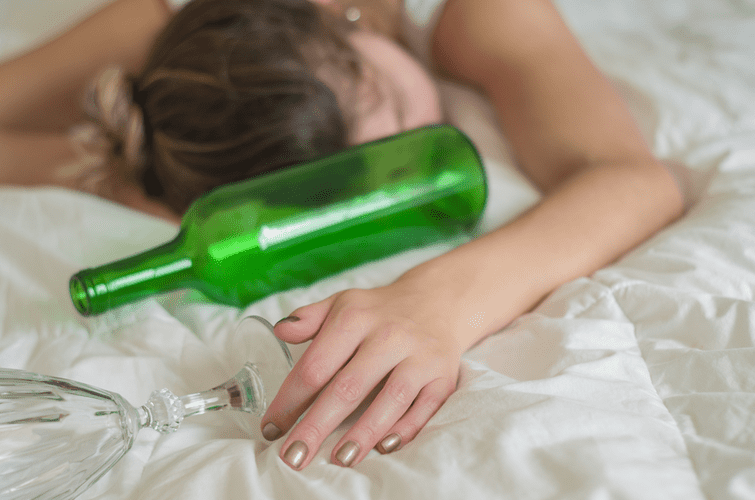
Alcohol might also slow down the rate at which your body breaks down and removes the blood-thinning drug.
- That all said, a healthy diet and exercise can provide all those benefits without any of the risks of alcohol.
- While this might sound beneficial in preventing clots, it can also pose serious risks, such as increased bleeding during injuries or surgeries.
- The process of blood clotting involves several key components, including platelets, proteins called clotting factors, and fibrin.
- The longer you have an addiction the more difficult it’s likely to be to kick the habit.
- If you have high blood pressure, do not drink alcohol or don’t drink much alcohol.
- Anytime you’re taking a potentially addictive substance, whether that’s alcohol or another drug, it’s important to be aware of how your use can potentially lead to an addiction.
How Long Does Unopened Wine Last? (Plus, Tips for Storage)
We will also address common questions about different types of alcoholic beverages and their impact on blood thickness. The J-Curve DebateYou may have heard references to a “J-curve” linking moderate alcohol usage to lower rates of coronary artery disease. This concept indicates that light or moderate drinking might correlate with reduced cardiovascular risk compared to both non-drinkers and heavier drinkers. The “lowest risk” zone forms the bottom of the J-curve, while risk rises again with heavy intake. While plausible, critics argue that confounding factors—like better socioeconomic status, diet, or health monitoring among moderate drinkers—may skew these outcomes.

Antiplatelet medications
Before consuming alcohol while on blood thinners, consult a healthcare provider to assess personal risks and receive tailored advice. Binge drinking should be strictly avoided due to the heightened health risks it poses. Regular, long-term beer consumption carries significant health risks, including liver damage, heart disease, and certain cancers. Excessive alcohol intake is linked to a higher risk of developing serious conditions such as diabetes, pancreatitis, and gastrointestinal disorders. The alcohol content in your blood, or blood alcohol concentration (BAC), can affect your body in numerous ways. A higher BAC can impair your cognitive functions and physical coordination.
Seeking Professional Help for Alcohol Addiction
- However, the duration of this effect can vary depending on several factors.
- While drinking in moderation can have some health benefits, it’s not easy to balance how much you drink with your overall health.
- The primary factor is the total amount of ethanol (alcohol) that enters your bloodstream.
- Too much alcohol can lead to irregular heart rhythms, increased heart rate, and high blood pressure.
- This blood-thinning effect varies based on how much alcohol a person consumes.
- This is particularly dangerous for individuals taking blood thinners, as the combination can significantly elevate the risk of severe bleeding and stroke.
You should limit your alcohol Twelve-step program intake if you are taking blood thinners. One drink on occasion is not likely to cause problems, but moderate to heavy drinking with anticoagulant medications is dangerous. It increases the risk of bleeding-type strokes as well as blood loss from what would otherwise be a small injury.
We can help you along the path to a healthy, successful, and stable life.
- It helps to convert fibrinogen into fibrin, a protein that forms a mesh-like structure that helps stop bleeding.
- By exploring the nuances of how alcohol impacts blood clotting, you can better manage your health and make choices that align with your well-being.
- These interactions can lead to dangerous situations, especially if not managed properly.
While occasional moderate drinking may have limited health risks for many adults, heavy drinking can lead to serious health problems beyond just blood thinning. Stroke RiskAlcohol’s “blood-thinning” action is sometimes credited with a slightly reduced incidence of ischemic stroke (caused by clots). Yet heavy drinking significantly increases the chance https://ecosoberhouse.com/ of hemorrhagic stroke (bleeding in the brain), offsetting or reversing any net benefit.
